
Supreme Court Upholds Access to D. Dimitriadis Office Communications
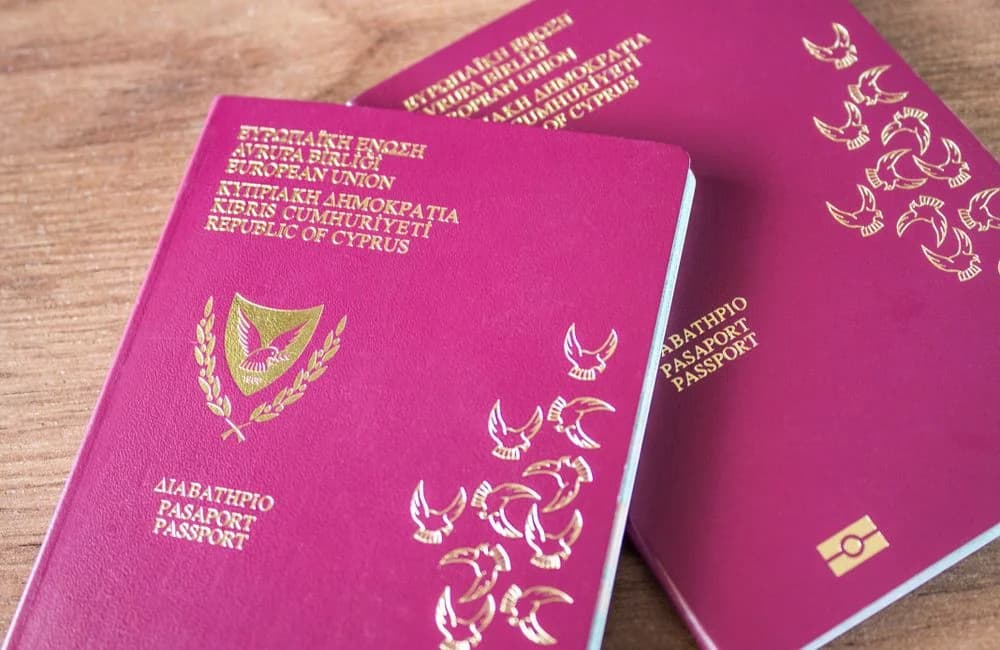
The Supreme Court has rejected the appeal of Andreas Dimitriadis DEPE and six other individuals, some of whom are accused in the Nicosia Criminal Court in connection with the golden passport scheme. The appeal challenged a lower court's decision not to annul the warrant authorizing access to recorded private communications.
Defense lawyers argued that the Supreme Court (one judge) had wrongly rejected their request for a writ of certiorari to quash a warrant dated July 23, 2023. This warrant granted access to SMS messages, emails, computers, and other data belonging to Dimitriadis' company in Paphos and six other individuals for the years 2011-2015.
The court examined whether such a warrant could be issued with reference to recorded communication content for the years 2011-2015. The Supreme Court agreed with the lower court that the 6th amendment to the Constitution in 2010 allowed access to the content of private communications, subject to the issuance of a warrant under certain conditions.
According to the court, the restriction of a constitutional right could only be achieved through an amendment to the Constitution. As noted in the decision, a warrant for access to recorded communication content could only be issued after the 2010 amendment.
The Supreme Court concluded that, given the existence of recorded material in the documents from 2011, when the Constitution was amended, the warrant was issued on the basis of the Law, without any issue of retroactive application of the Law arising.