
Ancient Twelve Days of Christmas Customs Revived in Western Macedonia
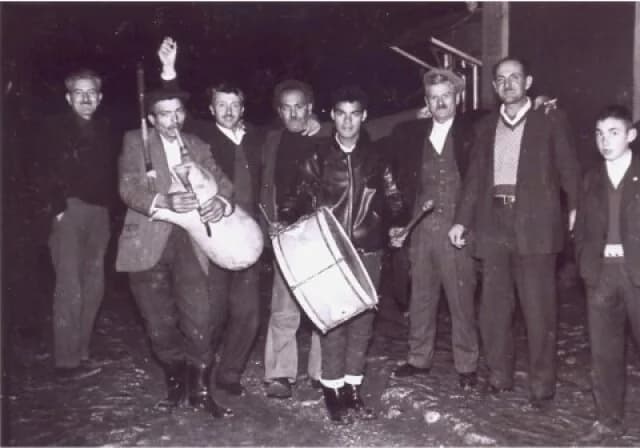
Archaic carols, masquerades, and fires revive the customs of the Twelve Days of Christmas in Western Macedonia, a tradition rooted in antiquity. The events, known as "Boubousiaria" and "Ragoutsaria," are kept alive from Christmas to Epiphany, despite the intense cold.
Professor Ioannis Pitas of the Aristotle University of Thessaloniki notes that the masquerades may have depicted demons, such as the Kalikantzari, while also freeing the masqueraders from social conventions.
The festivities begin with the "gournochares" and the Kolianda (Christmas Eve) and extend until Epiphany, with Kastoria closing the cycle with the Ragoutsaria and Pateritsa. The customs have roots in antiquity, possibly in the worship of Dionysus or in pagan ceremonies.
On January 2nd, the Boubousiaria of Eratyra, Kozani, will take place. The president of the Local Council of Eratyra, Kozani, Georgios Varkas, invites those interested to participate in the carnival parade and the all-night feast.
At the same time, a photo exhibition entitled "boubousaria reworks" is open until January 2nd, in the foyer of the Eratyra community.