
Anne Boleyn Portrait: Hidden Detail Refutes Witchcraft Accusations
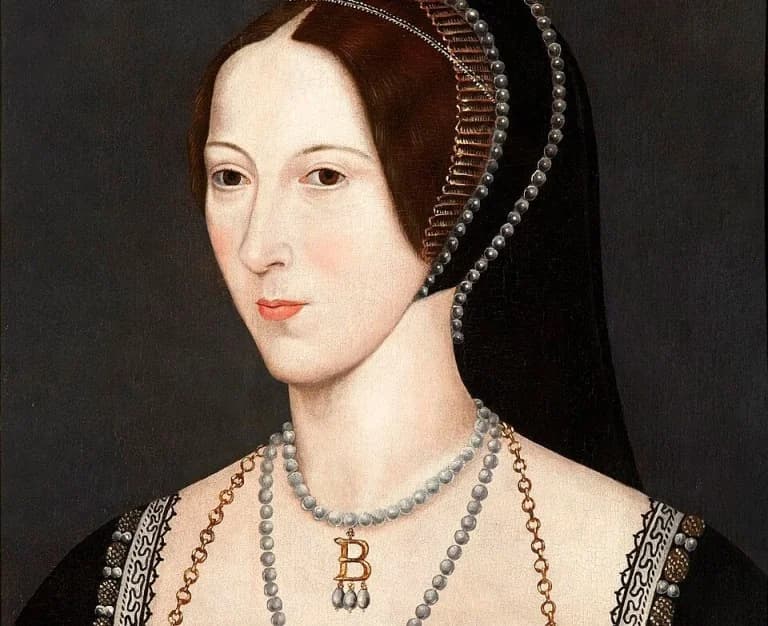
A new scientific analysis of the 'Rose' portrait of Anne Boleyn reveals it was created to refute rumors of witchcraft and a 'sixth finger'. The analysis was conducted at Hever Castle, her childhood home.
Dendrochronology places the panel's construction around 1583, during the reign of Elizabeth I. The use of infrared technology revealed a drawing beneath the paint, where Anne Boleyn holds a red rose, with her hands fully exposed and five fingers on each hand.
The claims of a 'sixth finger' came from Nicholas Sanders, who sought to undermine the legitimacy of Elizabeth I. The curators of Hever believe this is the oldest dated portrait of Anne Boleyn.
Anne Boleyn was executed in 1536. The work will be presented in an upcoming exhibition at Hever entitled Capturing a Queen: The Image of Anne Boleyn.