
Wind Power: Transforming Local Economies in Scotland
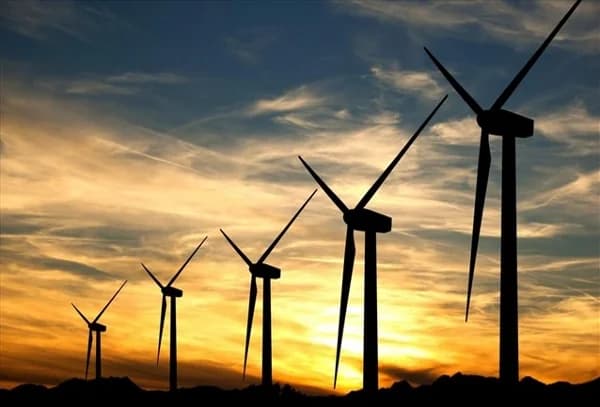
A remote Scottish island, Lewis, is being economically transformed through wind power. Despite economic difficulties and emigration, the island is investing in wind energy to create sustainable jobs and boost the local economy.
Lewis Wind Power, a joint venture of French EDF Renewables and Irish ESB, has invested over £20 million in the Stornoway Wind Farm. Although the project was delayed due to environmental concerns and permitting, the area has strong winds, making the turbines highly effective.
The historical development of Lewis, with the clearances of the 19th and 20th centuries, has created a tradition of community empathy and self-management, favoring the participation of residents in energy projects. Calum Iain Maciver founded a non-profit organization to manage community revenues from the Stornoway park, with communities retaining a 20% stake.
The local project in the village of Tolsta proved the effectiveness of community energy production, generating nearly £1 million annually from a single wind turbine. This success led to similar projects in other communities.
A key obstacle remains infrastructure, as Lewis has only one submarine power transmission line. However, in 2022, a 1.8 GW interconnection between Lewis and mainland Scotland was approved, with operation targeted by 2030.
The British government announced that all renewable energy providers are required to allocate funds for community projects, recognizing the pioneering approach of Lewis. The Lewis model offers an important legacy for how energy investments can be accepted and successful internationally.