
Great Sea Interconnector: Geopolitical Risks and Challenges
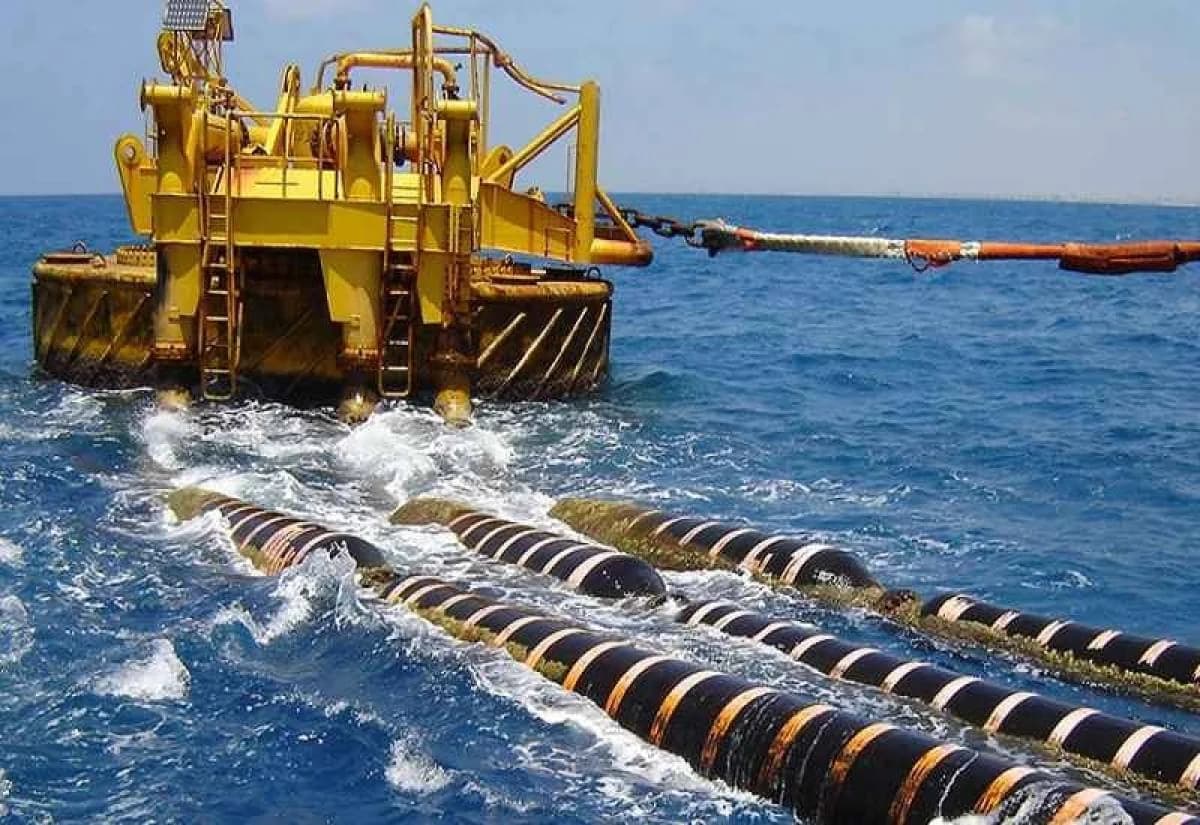
The Great Sea Interconnector (GSI), an ambitious project to connect Cyprus and Crete with electricity, faces stagnation and obstacles. Geopolitical tensions, financial disputes, and investigations jeopardize its completion.
The project, funded by the EU with €657 million, aims to connect Cyprus to the European energy grid. Cable production by Nexans has progressed, but seabed surveys have been frozen due to Turkish interference. Costs are expected to exceed €3 billion, and completion by 2030 is uncertain.
The European Public Prosecutor's Office is investigating potential irregularities in the management of funds by the previous operator, EuroAsia Interconnector. Geopolitical risks, especially Turkish claims in the Eastern Mediterranean, were significantly underestimated. Turkish warships blocked surveys in 2024.
The Cypriot Ministry of Finance expresses reservations about the project's viability and refuses payments. There are disputes over compensation between RAEK and ADMIE. Cyprus is turning to renewable energy sources as an alternative.
The EU is pushing for the continuation of the GSI, but addressing geopolitical risks is critical for the project's success. Otherwise, the GSI may be canceled.