
Study: Climate Change Intensifies Deadly Fires in Turkey, Greece, Cyprus
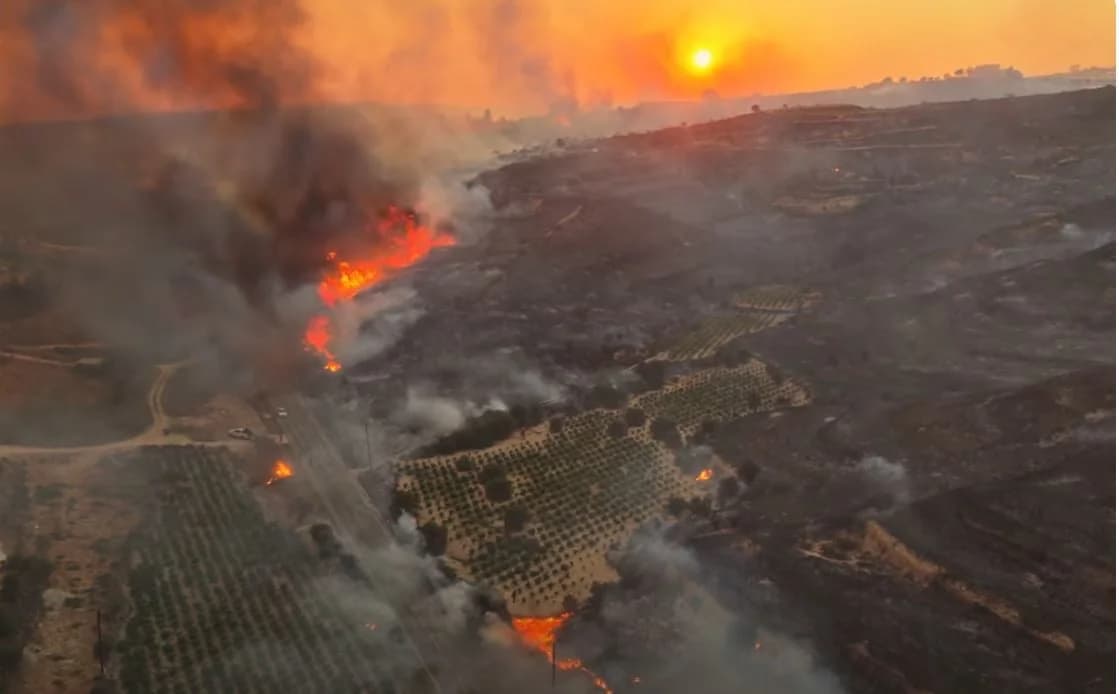
A new study attributes a roughly 22% increase in the intensity of conditions leading to this summer's deadly fires in Turkey, Greece, and Cyprus to climate change. The analysis, by the World Weather Attribution team, highlights that a 1.3°C temperature rise has multiplied the likelihood of wildfires.
Without human impact on the climate, similar events would occur once every 100 years, but are now expected every 20 years. 2025 was recorded as the worst year for fires in Europe, with over a million hectares of land burned. In the eastern Mediterranean, the fires were fueled by heatwaves, drought, and strong winds.
Turkey suffered the heaviest blow, with 17 deaths, while two people lost their lives in Cyprus and one in Greece. The study indicates that winter rainfall has decreased by 14%, while dry heat was approximately 18% more intense due to climate change.
Theodoros Kipping, a researcher at Imperial College London, emphasized that if the transition away from fossil fuels is not accelerated, we are heading for an increase of up to 3°C this century.