
Plasma Donors: A Cornerstone of Healthcare in the EU
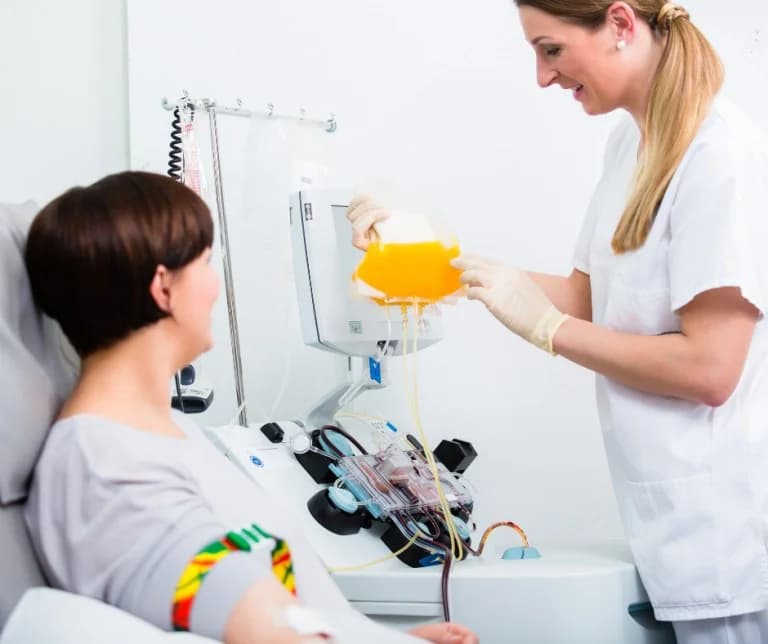
Voluntary plasma donation is crucial for the production of medicines based on human plasma (PDMPs), essential for treating rare and chronic diseases in over 300,000 patients across Europe. The demand for these drugs is rapidly increasing.
Treating one patient with immunodeficiency requires 130 plasma donations annually, while hemophilia treatment requires 1,200 donations. PDMPs have no substitutes, making voluntary donation essential.
Plasmapheresis is a safe 90-minute procedure where plasma is separated from other blood components.
Europe faces a plasma shortage, covering 40% of its needs with imports from the USA. The need for immunoglobulins is increasing by 6.7% annually.
The European Medicines Agency (EMA) has included plasma-based medicinal products in the list of critical medicines. The European Commission proposed the Critical Medicines Act (CMA) to enhance the availability of critical medicines.
To increase plasma donations, voluntary contributions must be strengthened and national legislation revised. Countries like Austria, Hungary, Czech Republic, and Germany, with mixed collection systems, meet their needs and export plasma.
Voluntary plasma donors are vital for the medical care of hundreds of thousands of patients.