
The Political Dimension of Analytic Philosophy
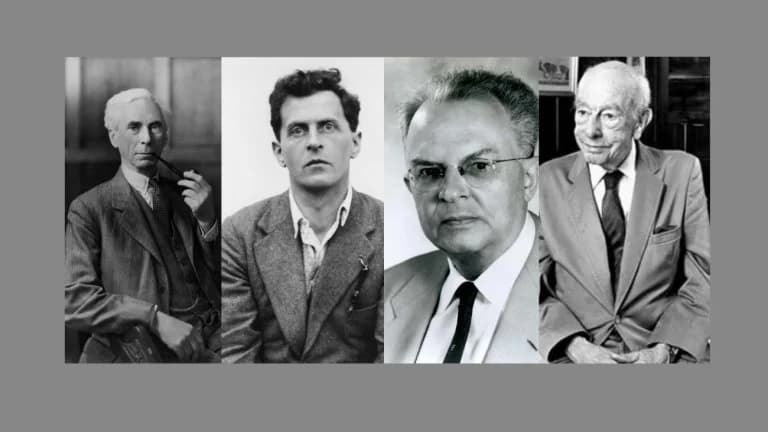
A new book titled A Social History of Analytic Philosophy by Christoph Surringa, examines the relationship between analytic philosophy and political ideology.
The book argues that the dominance of analytic philosophy, particularly in the English-speaking world, is largely due to social and political factors, such as anti-communism during the McCarthy era in the USA.
Surringa analyzes the historical development of analytic philosophy, from its beginnings with Russell and Moore, to the Vienna Circle and the influence of World War II. He points out that, while initially there were thinkers with anti-capitalist positions, the post-war hegemony of analytic philosophy was linked to liberalism and the acceptance of capitalism as an insurmountable horizon.
The book suggests that analytic philosophy, despite its attempt to appear ahistorical and apolitical, actually reproduces an ideology that serves the capitalist order.