
Trade War: Return to Rural Poverty in Indonesia
The US trade war threatens the economic progress of developing countries, as demonstrated by the case of Indonesia. In the 1990s, Indonesia experienced significant economic growth, but today it faces challenges.
According to research, the 'convergence' between developing and developed countries has stopped, as protectionist policies particularly affect poorer countries. China's rise as an industrial superpower has made it difficult for other countries to grow through exports.
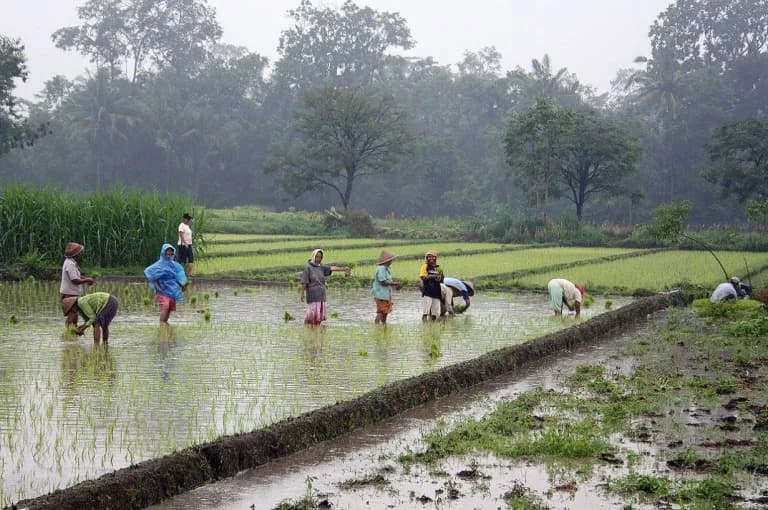
In Indonesia, textile factories that once thrived in the city of Pekalongan are now closing due to competition from cheaper Chinese exports. The trade war between the US and China has worsened the situation, with Chinese exports rejected by the US ending up in Indonesia, burdening local industries. Many workers are forced to return to agricultural work for meager wages.
Hopes for production transfer from China to other countries have been dashed, as modern industry requires technology and expertise. Indonesia faces difficulties in developing new industries, while efforts to support existing factories divide the government. A characteristic example is Sritex, a supplier of H&M and Zara, which collapsed in 2023, laying off thousands of workers.
Efforts to develop new industries, such as electric vehicles and batteries, remain fruitless. Domestic startups have lost much of their value, while the growth rate is not enough to create enough quality jobs.