
Iran: Which Economies Will Be Affected by the War?
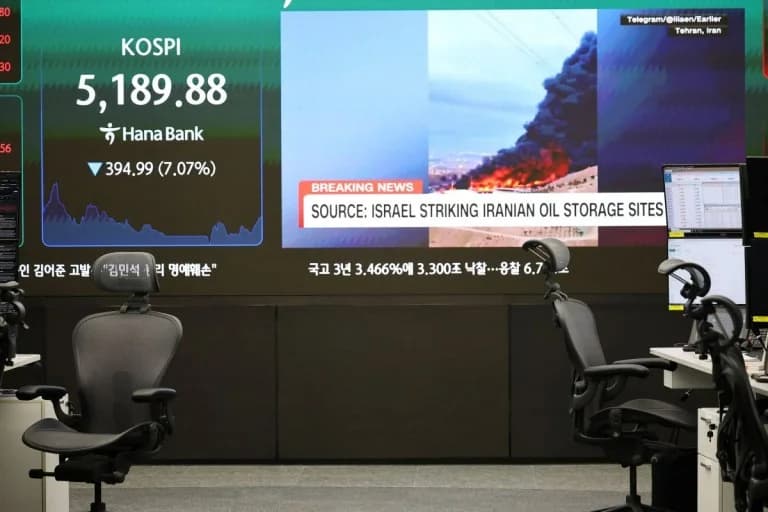
Military operations in Iran are expected to have economic repercussions, with European and Asian economies being more vulnerable compared to the US, according to Financial Times analysts.
The US, as a net energy exporter since 2017 (natural gas) and 2020 (oil), will mitigate the effects, while Europe and Asia, dependent on energy imports, will face increased inflation.
Brent crude rose by 30% after the outbreak of the war, while European natural gas prices rose by two-thirds, due to fears of disrupted transport through the Strait of Hormuz.
Rising energy prices will increase inflation, reduce purchasing power, and harm GDP growth. Central banks may be forced to keep interest rates stable or raise them, while governments will face fiscal pressure.
Italy, Germany, and Britain will be most affected due to their dependence on natural gas. China, India, and South Korea are also vulnerable.
The US has become an energy superpower due to shale gas extraction, with American producers benefiting from higher prices. However, American consumers will face pressure in the oil sector.
Goldman Sachs warned that if the crisis continues, oil prices will exceed the levels of 2008 and 2022.
Forecasts for interest rate cuts have decreased, with investors expecting one to two cuts this year instead of two to three.