
How We Avoided World War III: A Review of Nuclear Deterrence
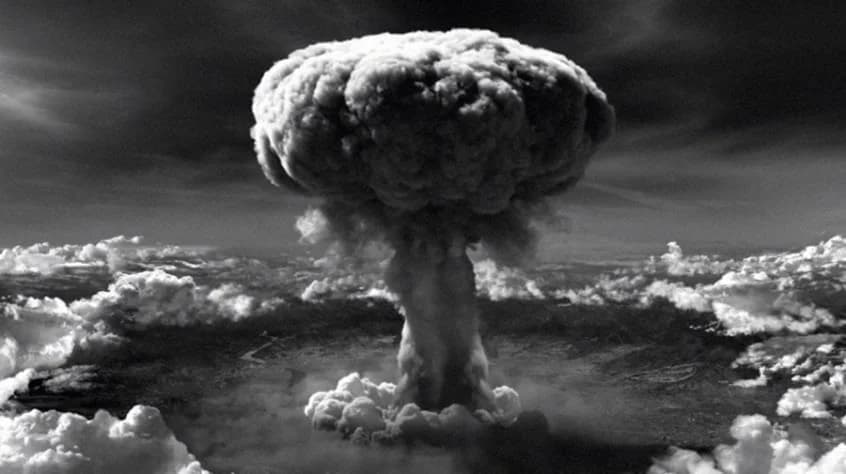
In a Bloomberg analysis, Tobin Harshaw examines the history of nuclear deterrence and the strategies that helped avert a Third World War. The article refers to the atomic bombing of Hiroshima and the challenges of the atomic age.
Harshaw questions whether the development of nuclear weapons maintained peace during the Cold War and examines the views of Harry Truman and modern polls. He points out that wisdom in managing nuclear weapons is to recognize that avoiding a nuclear catastrophe requires smart strategic changes.
He analyzes Cold War strategies, including the theory of Mutual Assured Destruction (MAD), and emphasizes that politics, diplomacy, and luck played a decisive role. He examines the presidencies of Jimmy Carter and Ronald Reagan, their nuclear weapons policies, and their efforts at arms control.
Harshaw refers to Reagan's Strategic Defense Initiative (SDI) and the discussions surrounding it. He notes that with the rise of China and the threats of Vladimir Putin, we are in a New Nuclear Age.
He proposes a series of actions for the US, such as encouraging allies to develop their own nuclear programs, upgrading intercontinental missiles, and trying to bring China into a global non-proliferation regime.
Attribution – Editing: Lydia Roumbopoulou