
Israel-Iran Conflict: Testing the Limits of International Law
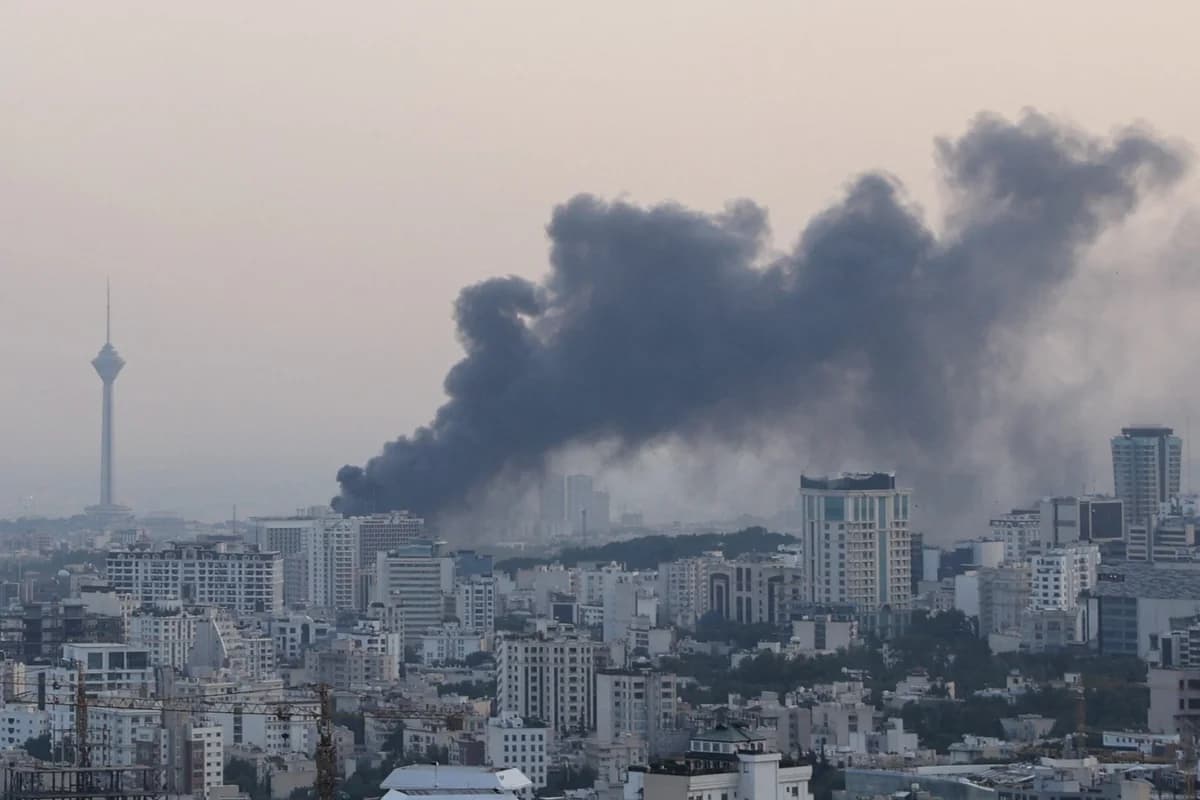
The conflict between Israel and Iran raises critical questions about the limits of International Law. Jill Goldenziel analyzes the legality of Israel's actions, particularly in relation to the Law of War and the right to self-defense.
The author questions whether Israel and Iran were in armed conflict before Israel's attacks on June 13. She points out that International Law does not clearly define the beginning and end of an armed conflict. She refers to Iran's support for Hezbollah, the Houthis, and Hamas, as well as the exchange of attacks between the two countries, including Israel's bombing in Damascus and Iranian missile attacks.
Even if there was no armed conflict, Israel's strikes could be justified as an act of self-defense, according to Article 51 of the United Nations Charter. The author refers to intelligence estimates regarding Iran's nuclear program and Israel's view that it had limited time to defend itself.
The author concludes that, according to International Law, Israel's strike was legal, but raises important questions about the future of International Law and warfare. She points out the need for a clear definition of the beginning and end of armed conflicts and for a review of the standard of 'imminent' self-defense.