
Analysis: Risks of Radiation Leakage After Strikes on Iran's Nuclear Facilities
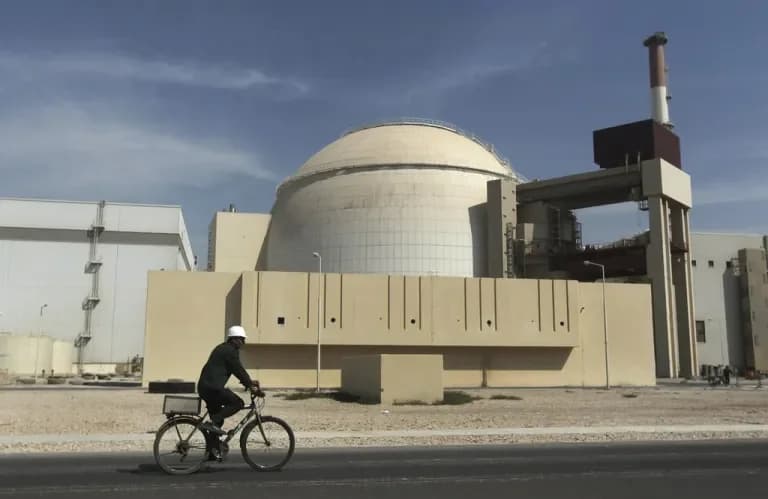
Following attacks on Iran's nuclear facilities, concerns are rising about potential radiation leaks. Israel has carried out airstrikes on research reactors and uranium enrichment plants.
Rafael Grossi, Director General of the International Atomic Energy Agency (IAEA), stated that there has been "no release of radiation that has affected the public," but the attacks have caused a "sharp degradation of nuclear safety."
Facilities in Natanz, Isfahan, and Khondab have been damaged. According to the IAEA, Iran's stockpile of enriched uranium as of May 17 was approximately 9,250 kg, including 400 kg enriched to 60%.
Highly enriched uranium could be in the hands of the Islamic Revolutionary Guard Corps. Uranium hexafluoride, stored in tanks, poses a chemical hazard in the event of an attack. Natanz, Fordow, Isfahan, the Tehran Research Center, and Bushehr are Iran's most important nuclear facilities, with varying degrees of leakage risk.
An attack on the Bushehr reactor could lead to a high release of radiation. Attacks on power transmission lines could disrupt reactor cooling, leading to contamination.