
Study: Glass Bottles Contain More Microplastics Than Plastic Bottles
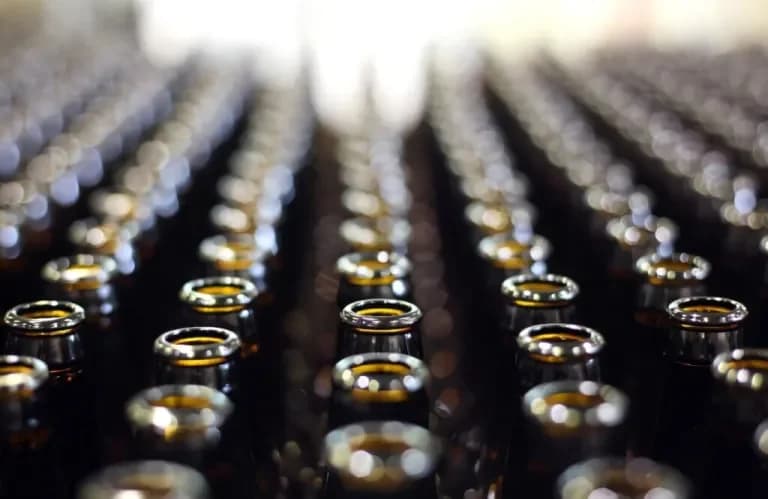
A new study by the French Agency for Food Safety (ANSES) reveals that glass bottles containing water, soft drinks, beer, and wine contain more microplastics compared to plastic bottles.
Researchers have identified microscopic pieces of plastic in various parts of the environment, including the air, food, and the human body. The study examined the amount of microplastics in various beverages sold in France and the effect of different packaging.
Glass bottles of soft drinks, lemonade, iced tea, and beer were found to contain an average of 100 microplastic particles per liter, a quantity 5 to 50 times greater than that detected in plastic bottles or metal cans. PhD student Izeline Saib stated that the particles in the glass samples had the same shape, color, and polymer composition as the paint on the bottle caps.
ANSES reported that the paint on the caps showed scratches, releasing particles. In water bottles, the amount of microplastics was low, ranging from 4.5 particles per liter in glass to 1.6 in plastic. Glass wine bottles contained few microplastics, while soft drink bottles contained about 30 microplastics per liter, lemonade 40, and beer about 60.
There is no established limit for toxic levels of microplastics, so it cannot be determined whether the recorded amounts constitute a health risk. However, ANSES suggested a method for cleaning the caps that reduced the amount of microplastics by 60%. The study was published in the 'Journal of Food Composition and Analysis'.